

Brainrot in Teens: What Is It and How to Prevent Internet-Induced Mindless Scrolling
The internet is full of entertaining, bizarre, and often mind-numbing content, and teens are soaking it up fast. I remember feeling cringe when PewDiePie appeared on Youtube long time ago. I couldn’t understand why it was so popular. I guess I have a high signal-to-noise ratio internally.
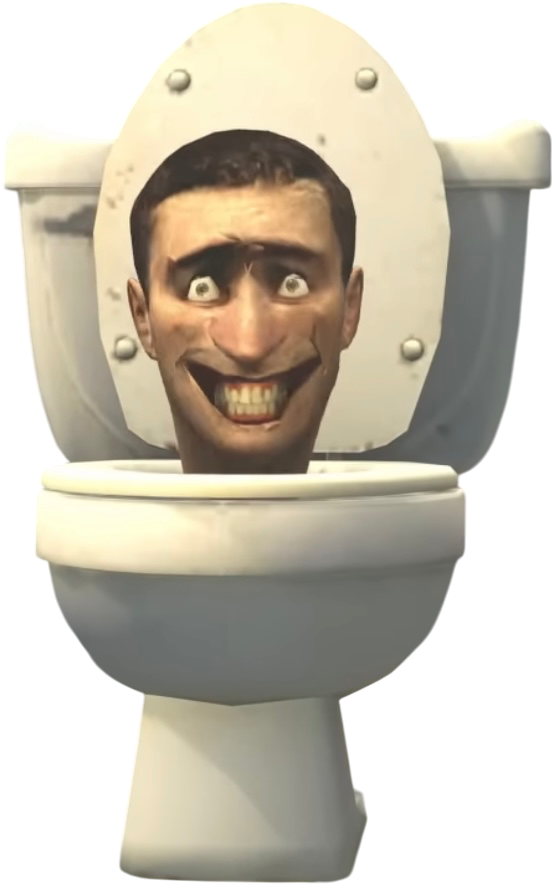
Nowadays, for the Gen Z to Gen Alpha, new emerging strange video trends like Skibidi Toilet to endless dance loops featuring Ballerina Cappuccina are appearing everywhere. These viral sensations may seem harmless at first. But parents and educators are noticing a worrying pattern, teens losing hours of their day to content with little to no value.
This growing phenomenon is often referred to as “brainrot”, a term used by Gen Z to describe the feeling of having your brain go numb after consuming too much low-effort, repetitive, or overstimulating content online.
What is Brainrot
Brainrot isn’t a medical condition, but it’s become a real concern among psychologists and educators. It refers to the overexposure to online shallow, overstimulating content that leads to:
- Reduced attention spans
- Lack of motivation
- Poor sleep habits
- Difficulty focusing on tasks
- A craving for constant digital dopamine hits
Examples of Brainrot Content
Skibidi Toilet – A bizarre, fast-cut animated series on YouTube featuring singing heads in toilets battling cameramen. It’s chaotic and addictiv
Ballerina Cappuccina – A meme-style character paired with looping music and movements, often shared on TikTok.
Sigma Edits – Hyper-edited clips of characters like Walter White or Patrick Bateman with moody music and “motivational” captions.
Ohio Memes, Sludgecore Edits – Fast, glitched-out content filled with distorted visuals and sounds, often meant to be ironic but highly overstimulating.
These trends are designed to grab attention quickly and keep users hooked, but offer very little in return.
Why Do Teens Get Hooked?
Teenagers are at a stage where their brains are still developing, especially the parts that regulate attention, impulse control, and reward. Platforms like TikTok, YouTube Shorts, and Instagram Reels are built to exploit this, serving up an endless stream of “snackable” content.
How to Prevent Digital Brainrot in Teens
Here are some practical tips for parents and educators to help teens manage their digital diet:
Set Screen Time Boundaries
Use tools to limit time on social media apps on their phones or computers. Set app usage to 1–2 hours a day.
Introduce Meaningful Alternatives
Encourage hobbies that activate creativity or physical activity — like music, drawing, coding, or sports. You can also introduce educational yet fun platforms like ChatGPT or AI art tools like Leonardo.AI.
Teach Media Literacy
Help teens understand how algorithms work and how they’re designed to keep users scrolling. Awareness is a powerful first step.
Create “No Phone” Zones
Establish phone-free times (e.g. during meals, before bed, during study hours) to promote real-world interaction and better sleep hygiene.
Encourage Content Creation
Shift your teen from being a passive Roblox gamer to an Roblox creator. If they love memes or editing, guide them to learn video editing, digital AI art, or Roblox Coding.

I always encourage my 2 children, and students of Mind Theory, to adopt an entrepreneurial mindset early. Rather than just playing Roblox games, why not learn how to use Roblox Studio to create and build your own game experiences, and maybe even pursue a future career as a game developer?
Rather than playing Geometry Dash, why not try the PC Game, Sid Meier’s Civilization? It was my favourite game back in the 90s till now, and now its on its 6 iteration. (The goal for the player is to develop a civilization from an early settlement through many time eras to become a world power and achieve one of several victory conditions, such as through military domination, technological superiority, or cultural influence over the other human and computer-controlled opponents. Its like advanced chess.)
If you’re a parent looking for meaningful ways for your child to spend their holidays, our AI and Roblox camps are a great place to start. These hands-on programs help children build creativity, digital literacy, and real-world skills in AI storytelling or game development, all while having fun and learning something new.
This blog post is written by Xavier, Founder of Mind Theory.

Recent Articles
-
 March Holiday AI Sprint Camp
-
 5-Day AI Storytelling Camp
-
 Video Editing School Programme
-
 Generative AI Summer Holiday Camps
-
 September Holiday Camps – AI Art
-
 5 Day – Roblox Coding Camp For Kids/Teens | Singapore
-
 AI Vibe Code Prompt Engineering School Programme
-
 Agentic AI Coding School Programme
-
 How to Use the School Break to Discover Your Strengths: A Guide for Curious Learners
-
 Discover Your Hidden Talents During School Breaks: A Practical Guide for Students and Parents
-
 Unlock Future Skills with Holiday Camps in Singapore
-
 Singapore School Holiday Experience, AI, Coding & Creative Camps for Teens