

Low Key
A growing gap I see in today’s generation of adults in their twenties and early thirties is a tendency toward a “low key” behaviour pattern, and this mindset often begins during teenage years. Genuine enthusiasm gets weaponized as “pushiness” in peer groups. A child who was once chatty and full of energy can suddenly shift into being quiet and withdrawn, with a noticeably more negative outlook.
Here are examples of low key responses that sound passive, hesitant, or non committal:
• “I guess so.”
• “Maybe can.”
• “Not sure, see how first.”
• “It depends.”
• “I don’t know, you decide.”
• “Okay lor.”
• “Can lah, I think.”
• “If you say so.”
• “Should be okay.”
• “Probably can.”
• “Later then see.”
Sounds familar?
What is Low Key
Low key refers to behaviour that is intentionally quiet, understated, or minimal in expression. A low key person avoids showing strong reactions, keeps their opinions guarded, and prefers not to stand out. In social or professional settings, this often appears as muted enthusiasm, vague answers, or a reluctance to take clear positions.
When children/teenagers spend years being rewarded for staying quiet, avoiding mistakes, and not questioning why via healthy debate, many carry these behaviours into adulthood.
This can lead to:
• hesitation to take initiative
• fear of giving a firm opinion
• preferring safe, neutral replies
• discomfort with standing out
• low confidence in spontaneous decision making
In the workplace, however, employers value clear communication, ownership, enthusiasm, and the ability to make decisions. The habits that helped students “behave well” in school do not always translate into professional confidence or leadership.
The system does not intentionally create this outcome, but the environment encourages caution over expression. Over time, this can contribute to the “low key” communication style seen in many young adults today.
Is it due to the media they are exposed to as a child?

Cartoons from the 1980s were built on a clear moral framework. Almost every show centred on heroic characters fighting villains, with storylines that reinforced courage, loyalty, and taking action when something was wrong. Whether it was robots, warriors, detectives, or magical heroes, the message was consistent. The world had problems, and someone had to step up to fix them. These shows modelled decisiveness, responsibility, and the idea that doing nothing was never an option.
Another factor could be the shift in what young people consume. In the 1980s-1990s, cartoons often centred on bold heroes, clear missions, and dramatic choices, which modelled confidence and action.
Those teenagers grew up and started the companies we all know today, Google, Tesla, Airbnb, Amazon, Spotify, Zoom, Godaddy, Shopee, Youtube, Dropbox, Reddit, Uber, Paypal, Twitter.
Today’s content is far more varied, quieter, and often focused on slice of life moments or self aware humour. Instead of watching characters take decisive steps, many are absorbing stories built around passivity, irony, or avoidance. This shapes expectations, attitudes, and the way they respond in real situations.
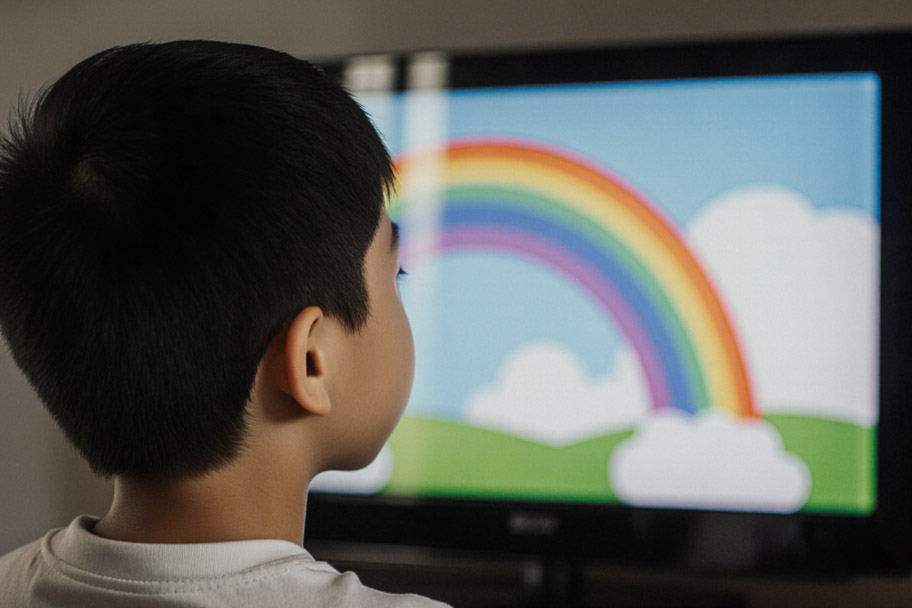
Cartoons from the 2000s shifted toward a softer, more self aware style. Instead of clear heroes and villains, many shows focused on everyday life, friendship dynamics, humour, and personal growth. Conflicts were smaller and often resolved through talking rather than action. The tone leaned more toward relatability than adventure. Characters worried about school, friendships, social awkwardness, or their own feelings instead of saving the world. This era reflected a move toward introspection, with stories designed to be comforting, quirky, and emotionally safe rather than bold or confrontational.
Media: Cartoons
There has also been a noticeable tonal shift in many modern cartoons. A large portion of 2000s and onwards animated shows lean into softer themes, gentle humour, and highly cautious messaging. In trying to be universally sensitive, many series avoid conflict, strong stakes, or characters who take bold positions. Some viewers describe this as an overly “woke” approach, where stories prioritise moral signalling over decisive action or character growth. Compared to older shows that celebrated courage, risk taking, and standing up to challenges, the new tone can feel muted. When young audiences grow up on narratives that smooth out conflict rather than confront it, it subtly reinforces a mindset of playing safe rather than stepping forward.

Media: Music
Music in the 2000s carried a very different emotional tone compared to earlier decades. The rise of emo music brought themes of vulnerability, sadness, introspection, and emotional struggle into mainstream culture. Bands sang openly about heartbreak, loneliness, identity, and inner conflict. Instead of projecting confidence or heroism, the music highlighted doubt, sensitivity, and personal turmoil. This emotional shift shaped a generation that connected more with feelings than action, and it contributed to a cultural landscape where expressing uncertainty or softness became normal rather than standing out as unusual.

Media: Social Media Slop
“Skibidi toilet”, “Ohio”, “Cappuccino ballerina”, “6,7”, “Sigma grindset”
Social media apps’ algorithm doesn’t care about your teenager’s mental health. It cares about engagement metrics. Every rage-inducing comment section, every outrage-bait video, every piece of viral trending brainrot content designed to make teenagers feel hip, inadequate or angry generates more watch time, more shares, more data points to sell. Platforms have optimized for this. Teenagers aren’t choosing brainrot because they’re broken. They’re being fed it by the algorithms. Their developing brains are still learning to regulate dopamine, to distinguish signal from noise, to think critically about what they’re consuming. And instead of protecting that cognitive vulnerability, platforms exploit it. Ragebait, doomscrolling, comparison traps, manufactured anxiety. The algorithm doesn’t distinguish between healthy engagement and psychological damage. It only counts views.
The Result
Fresh graduates in Singapore are entering a market that has become far more competitive, with unemployment among young degree holders steadily increasing. Entry level roles that once acted as training grounds are disappearing, partly because AI can already handle many beginner level tasks with speed and accuracy. Routine work such as drafting emails, summarising documents, preparing reports, basic coding, or administrative processing is now done by software instead of junior staff. Companies are hiring fewer fresh grads and expect new hires to contribute value from day one. This creates a widening gap where academic qualifications alone are no longer enough.
https://www.channelnewsasia.com/singapore/fresh-graduate-job-anxiety-search-employment-traineeship-5361196
https://www.wsg.gov.sg/home/campaigns/current-state-of-singapore-job-market-for-fresh-graduates
https://www.businesstimes.com.sg/opinion-features/why-singapores-fresh-grads-are-struggling-get-hired?ref=pulse
Conclusion

Young adults must show initiative, clarity, communication strength, and problem solving skills to stay competitive.
Here are confident, proactive alternatives that signal initiative and clarity:
• “Yes, I can do that. Let me handle it.”
• “I have an idea. Here’s what I suggest.”
• “Give me the details and I’ll get it done.”
• “I’m available. Let’s move forward.”
• “Here’s my plan. Tell me what you think.”
• “Love the idea. I’ll take the lead on this.”
• “Roger that. Let’s try this approach. It will work.”
• “I can commit to that deadline.”
• “I’ve checked the options. Here’s the best one.”
• “Let me prepare a draft and update you shortly.”
• “I’m confident we can make this work.”
• “I’ll follow up and keep you posted.”
This blog post is written by Xavier, Founder of Mind Theory.

Recent Articles
-
 March Holiday AI Sprint Camp
-
 5-Day AI Storytelling Camp
-
 Video Editing School Programme
-
 Generative AI Summer Holiday Camps
-
 September Holiday Camps – AI Art
-
 5 Day – Roblox Coding Camp For Kids/Teens | Singapore
-
 AI Vibe Code Prompt Engineering School Programme
-
 Agentic AI Coding School Programme
-
 How to Use the School Break to Discover Your Strengths: A Guide for Curious Learners
-
 Discover Your Hidden Talents During School Breaks: A Practical Guide for Students and Parents
-
 Unlock Future Skills with Holiday Camps in Singapore
-
 Singapore School Holiday Experience, AI, Coding & Creative Camps for Teens